Gastric Bypass in Turkey | Bridge Health Travel


Calculate Your Cost / Price


Gastric Balloon in Turkey
Gastric Balloon in Antalya / Turkey, Gastric balloons are made of materials that can remain in the body for 6 to 12 months. Gastric balloon prices vary depending on factors such as the type of balloon used in the procedure and the duration it remains in the body.
What is a Gastric Balloon ?
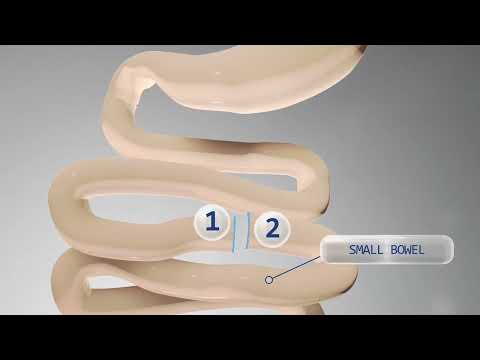
The World Health Organization defines obesity as the excessive accumulation of fat in the body. According to the criteria of the World Health Organization, obesity can be defined when the body mass index is above 30. It is well known that there are many health problems associated with the global epidemic of obesity. These include serious health problems such as cardiovascular diseases, diabetes, and hypertension. Therefore, obesity needs to be treated not only for aesthetic purposes but also for a healthy life. Nowadays, there are many surgical and non-surgical options available for the treatment of obesity. The decision regarding which treatment to apply to an obese patient is made by considering factors such as the patient's height, weight, age, and general health condition under the supervision of an expert doctor. Gastric balloon is one of the commonly preferred non-surgical treatment methods for obesity. The main purpose of gastric balloon treatment is to reduce the amount of food consumed in a single meal and provide a long-lasting feeling of fullness. Gastric balloons are silicone devices that are inserted into the stomach and can remain there for a certain period of time. The gastric balloon procedure involves placing a deflated balloon into the stomach and then inflating it with saline or a biocompatible and approved blue dye. The inflated balloon occupies more than half of the stomach. The amount of inflation is determined during the procedure, considering that everyone's stomach structure and anatomy are not the same. The endoscopic gastric balloon procedure takes approximately 30 minutes to 1 hour.
How is Gastric Balloon Placement Procedure Done in Antalya / Turkey?
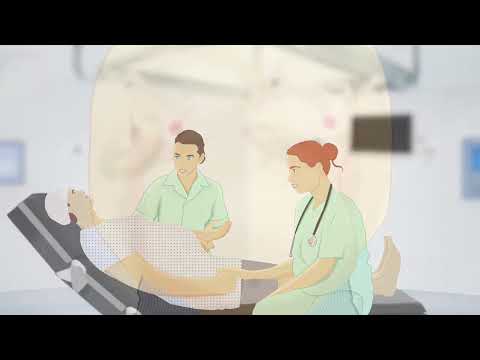
Before the gastric balloon is placed in the stomach, the patient undergoes a detailed evaluation by expert doctors. The patient's general health condition is examined, and any other stomach-related health problems are assessed through endoscopic imaging techniques. If any other health problems such as reflux, gastritis, or ulcers are detected during this examination, the existing health issue is treated first. Afterward, the gastric balloon can be placed. During the gastric balloon placement procedure, general anesthesia is not required. The patient is under sedation while the balloon is being placed. The patient does not experience any pain or discomfort during the procedure. Currently, gastric balloon can be placed in the stomach through two different methods:
ENDOSCOPIC GASTRIC BALLOON IN TURKEY / ANTALYA
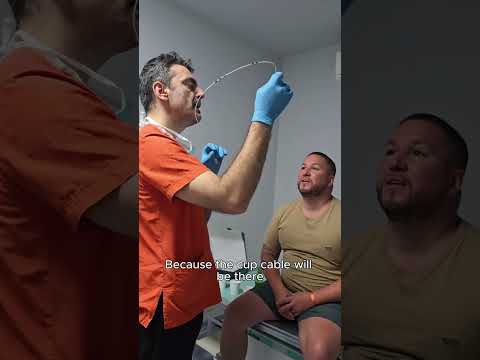
During the endoscopic gastric balloon procedure, sedation is administered to make the patient more comfortable. Since the procedure is performed using an endoscopic technique, the patient is advised not to eat or drink anything for a certain period of time before the procedure. The necessary preparations before the procedure are explained to the patient. During the balloon placement stage, an endoscope, which is a thin and flexible tube with a camera at the tip, is inserted into the stomach, and the balloon is placed in the stomach. Then, the balloon is inflated with saline or a completely compatible and health authority-approved blue dye. The inflated balloon occupies approximately more than half of the stomach. Since everyone's stomach structure and anatomy are not the same, the decision on how much to inflate the balloon is made during the procedure. The endoscopic gastric balloon procedure is completed within approximately 30 minutes to 1 hour.








FQ About Gastric Balloon Clinic in Antalya / Turkey
Gastric band tablets are not a recognized treatment, but the term might refer to weight-loss medications that mimic the effects of a gastric band by suppressing appetite or blocking fat absorption. Medications like Orlistat or appetite suppressants are sometimes used in combination with bariatric procedures.
A gastric band fill is a procedure where saline is added to the adjustable band around the stomach to tighten it, reducing the stomach's capacity and limiting food intake. The fill is performed through a port placed under the skin and can be adjusted based on the patients progress and needs. Fills are crucial for regulating how much food can pass through the stomach, ensuring consistent weight loss.
A bariatric surgeon specializes in performing weight-loss surgeries like gastric bypass, sleeve gastrectomy, and gastric banding. These surgeons are trained in both traditional open surgery and minimally invasive techniques such as laparoscopy. They also provide guidance on pre- and post-operative care to ensure the success of the weight-loss procedure and minimize complications.
The Roux-en-Y procedure is a type of gastric bypass surgery where the stomach is divided into a small pouch, and part of the small intestine is rerouted to the new pouch. This reduces both food intake and nutrient absorption, leading to significant weight loss and improvements in obesity-related health conditions.
Gastritis can sometimes cause referred pain that radiates to the back, although this is not a common symptom. If a patient experiences back pain along with gastritis symptoms like nausea, bloating, or indigestion, it could indicate a more severe condition or complications such as ulcers.
Pizza and pasta are normally favorites, but after bariatric surgery, they should be consumed in moderation. If you are having pizza, order a thin crust and add veggies and lean meats, such as chicken or Canadian bacon. Overall, you should choose a menu item that is centered on protein, like grilled chicken or seafood Longer term risks and complications of gastric bypass can include: Bowel obstruction. Dumping syndrome, causing diarrhea, nausea or vomiting Weight loss before surgery was associated with readmission... +More
The gastric balloon, while effective, can cause a range of side effects, particularly in the first few days after insertion. Common side effects include nausea, vomiting, and stomach cramps. In some cases, patients may experience longer-term issues such as acid reflux or discomfort. Understanding these side effects is crucial for anyone considering the procedure.
VSG recovery time (Vertical Sleeve Gastrectomy) typically ranges from 2 to 6 weeks, depending on the individuals health, adherence to recovery protocols, and the complexity of the surgery. Most patients return to normal activities within a few weeks, though full recovery, including dietary adjustment and weight loss stabilization, can take months.
The Gastric Bypass carries more risk but has more rewards for patients who need to lose 150 plus pounds, whereas the Gastric Sleeve surgery has a lower complication rate but also the patients who have success typically need to lose 100 or fewer pounds with the gastric sleeve.
Similar to the gastric balloon, the stomach balloon is used for weight loss by physically limiting the stomach's capacity. It is available in the UK both privately and through the NHS in some cases. The balloon is typically left in place for six months, after which it is removed. During this time, patients follow a strict diet to maximize weight loss.
Chronic gastritis is a long-lasting inflammation of the stomach lining that can lead to complications like ulcers or an increased risk of stomach cancer. Common causes include H. pylori infection or autoimmune disorders. Patients may need ongoing treatment with medications to reduce stomach acid and eradicate infections.
Pages
5 Years of Helping 15,000+ People Change Their Lives

-

 £ 1580£ 1450GASTRIC BALLOON PROCEDURE PACKAGE
Give a call to learn more about what’s included and to come up with a tailored plan if you need unique accommodations that are not listed below.
- Airport
- Hotel
- Hospital transfer
- The balloon is placed via endoscopy, the procedure takes 15-20 minutes and you are discharged after 2-3 hours. It is enough to stay here for 1 night.
- Blood samples & x-rays
- 5 year follow up

-
 £ 2750£ 2550GASTRIC SLEEVE PACKAGE
GASTRIC SLEEVE PACKAGE COST TURKEY / ANTALYA
Give a call to learn more about what’s included and to come up with a tailored plan if you need unique accommodations that are not listed below.- Airport
- Hotel
- Hospital transfer
- 4 day stay at hospital
- Blood samples & x-rays
- 5 year follow up
-
 £ 3100£ 2900MINI GASTRIC BYPASS PACKAGE
MINI GASTRIC BYPASS PACKAGE TURKEY
Give a call to learn more about what’s included and to come up with a tailored plan if you need unique accommodations that are not listed below.- Airport
- Hotel
- Hospital transfer
- 4 day stay at hospital
- Blood samples & x-rays
- 5 year follow up